


LISTENING COURAGEOUSLY WITH TODD HAYNES

Berlin can be a harsh city, not gonna lie. My first day in Berlin was the opening of the 66th Berlinale in 2016, and I remember vividly how scared I was by the city’s size, darkness, and coldness. At the time, I was a young film student in Cologne, researching queer true story adaptations, with a special focus on the work of Todd Haynes.
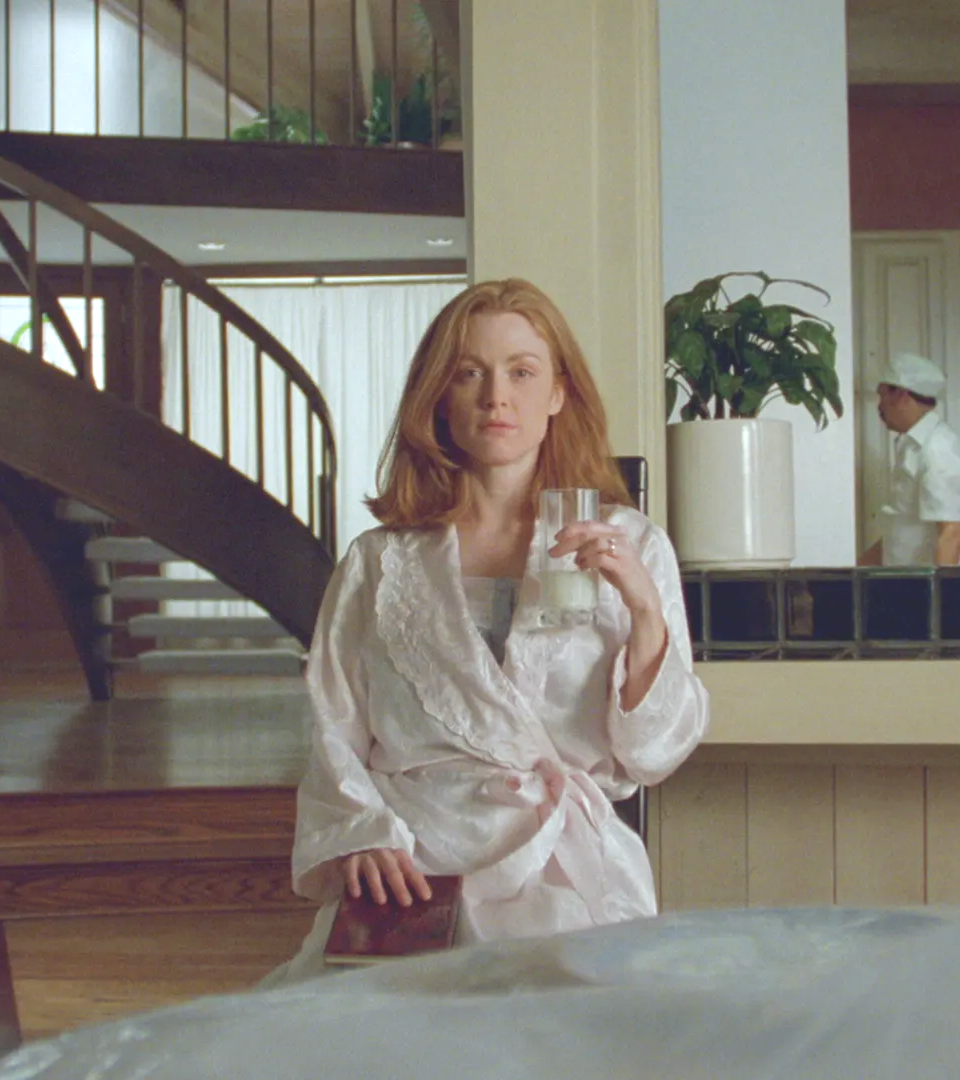
Todd’s early work was what pushed me – and I’m sure many others – to pursue film as a field of study. I still remember how mesmerized I was watching Superstar: The Karen Carpenter Story (1987) for the first time. A simple, crafty production, done with only Barbie dolls, that had the power to deeply immerse the audience in its story in a way most high-budget Hollywood movies are unable to do.
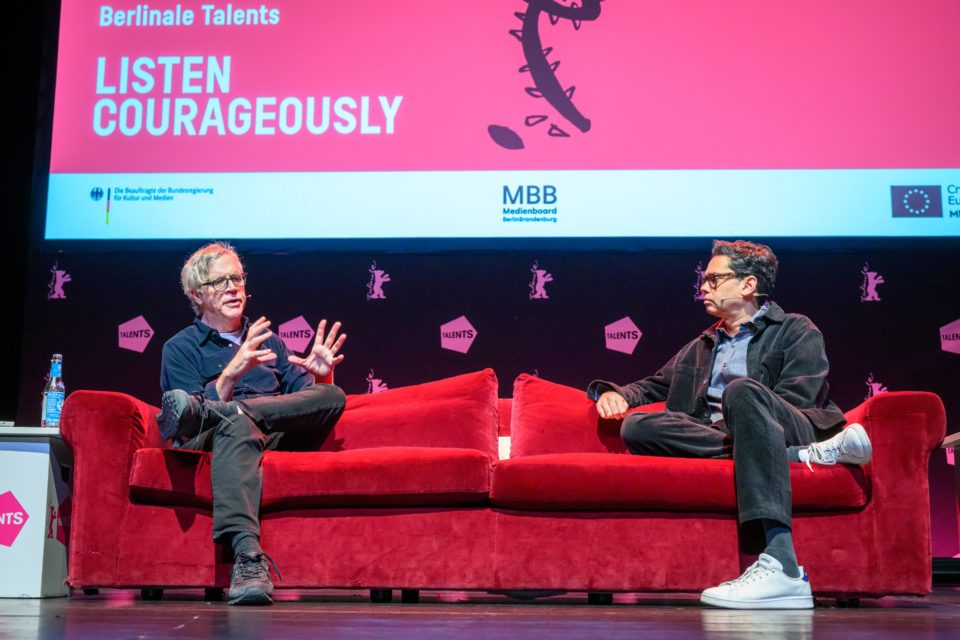
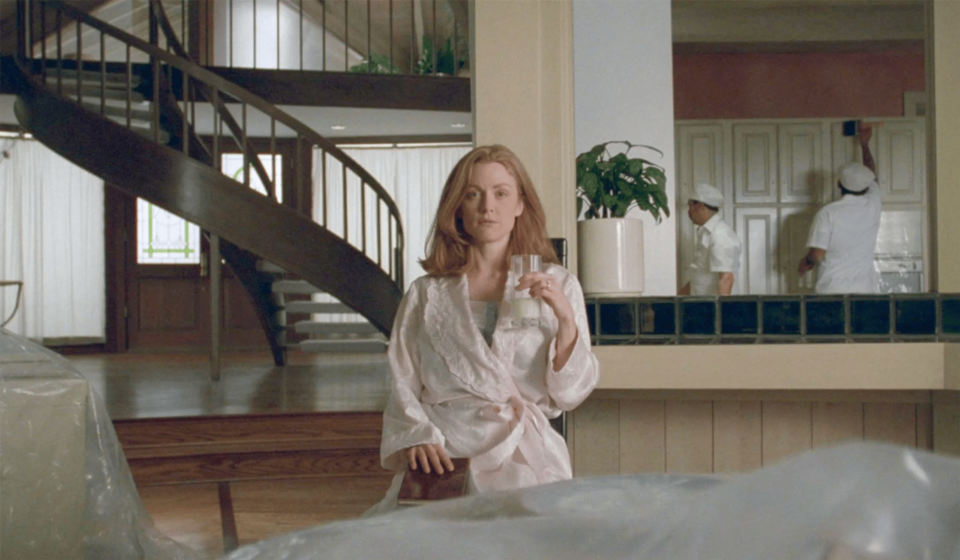
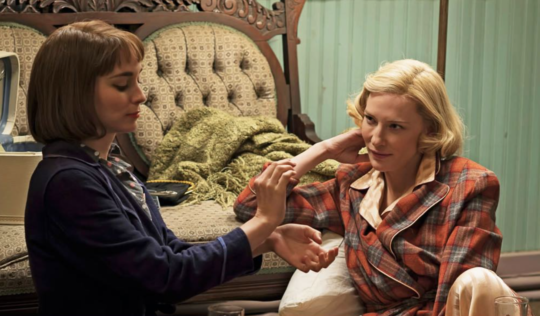
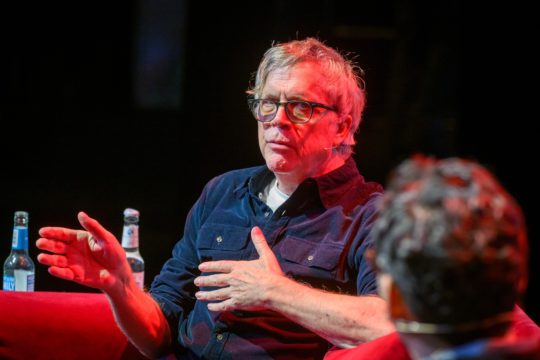
Now, almost a decade after my first Berlinale, I find myself sitting just meters away from Todd Haynes as he explains to a packed auditorium at Hebbel am Ufer his intentions behind making Superstar and many other titles like Safe (1995), Carol (2015), and I’m Not There (2007). The theme of the panel is “Listen Courageously,” an especially intriguing topic considering his main characters struggle to be heard as they navigate the margins of society.
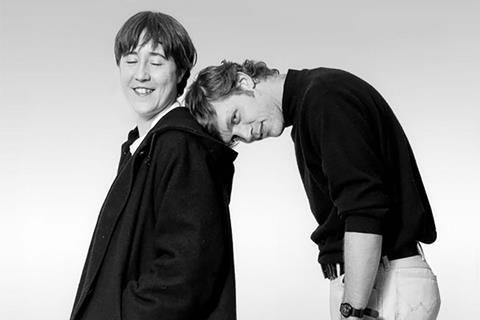
Todd Haynes and his friends were responsible for what today is called the New Queer Cinema wave. Friends helping friends, making movies together using 16mm film and what was, at the time, revolutionary—videotape cameras. Today considered obsolete by many, back in the ’80s and ’90s, videocameras opened space for unheard voices. This group of friends, working from their garages and basements, became big names in cinema – Christine Vachon, Tom Kalin, Kelly Reichardt, Gus Van Sant, and Karim Aïnouz, among many others.
“The thing that was so inspiring about being a part of this new queer cinema is that all the other filmmakers that I was in the company of were also experimenting with style, genre, and form as well as content. Gay film didn’t just mean you made a movie about gay people. It was also about changing how we tell stories,” explains Haynes.
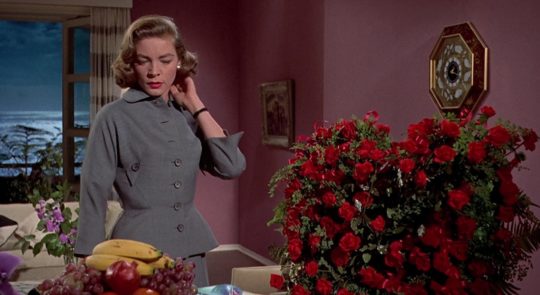
Haynes continues, “People talk about the identity of the filmmaker in relationship to the subject matter that they tell. Is there such a thing as queer cinema? Is there such a thing as queerness through the view of a director, through their experience?” He makes sure to mention that his biggest inspiration is Douglas Sirk, a German filmmaker who fled to the USA with his Jewish wife back in the ’30s. Famous for his happy endings—or better put, “false happy endings,” since they can be incredibly sad. According to Haynes, Sirk’s cinema is purely queer for questioning the artificiality of American society, even though Sirk was a straight man.
While Sirk has been a source of inspiration for Haynes, it was, in fact, Lucille Ball who sparked his storytelling passion. He shares that when he was just a little boy, he had the chance to visit the set of The Lucy Show. The image of Lucille running the whole show, in control, powerfully coordinating an immense team behind the scenes while moments later playing a sweet, passive character in front of the cameras, never left his mind. This dichotomy fascinated him and and it translates in various ways throughout his work. I must say that hearing your favorite artist talk about his favorite artist really puts things into perspective.
Todd’s original plan was to be a professor and make experimental arthouse films. He never aspired to be a Hollywood director. It all happened by accident and unexpectedly when his first feature film, Poison (1991), won Sundance’s Grand Prize and the Berlinale’s Teddy Award, making a big fuss at the time and even being boycotted by the far right. A few Golden Globe and Oscar nominations later, he is still unlikely to become a film professor anytime soon.
He does, however, have one piece of advice to share with newcomers and young filmmakers: “The practice of filmmaking, for me, is to always feel like you are a student of the medium. And that even things that you feel you’ve achieved or explored deeply, there’s going to be another place to turn. And that will strip you naked once again and make you scared and make you curious.”
This year, Todd is the president of the jury that decides which film brings home the infamous Golden Bear, and he is currently working on an untitled project with Joaquin Phoenix, adding to his period drama collection. It’s a queer love story between a police officer and a Native American social activist set in the ’30s. So far, more can’t be revealed, but it is very much long-awaited.
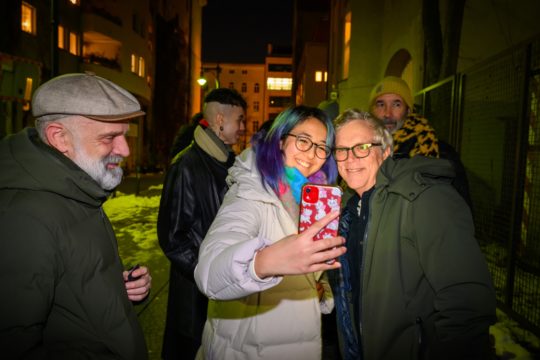
Having the opportunity of listening to Todd Haynes was unimaginable for me. After all, even though Berlin can be harsh, dark and cold, from time to time, it can also make dreams come true.