

FIVE INDEPENDENT KINOS THAT KEEP BERLIN’S SOUL ON SCREEN
In Berlin, the cinema isn’t just a place to watch a movie; it’s a ritual, a refuge, and sometimes, a time machine. Beyond the multiplexes and blockbuster venues, the city hides a constellation of independent Kinos, fiercely local, proudly curated, and full of soul.
Here are five of the best. If you haven’t visited them yet, it’s time to step inside.
Kino Babylon (Mitte)
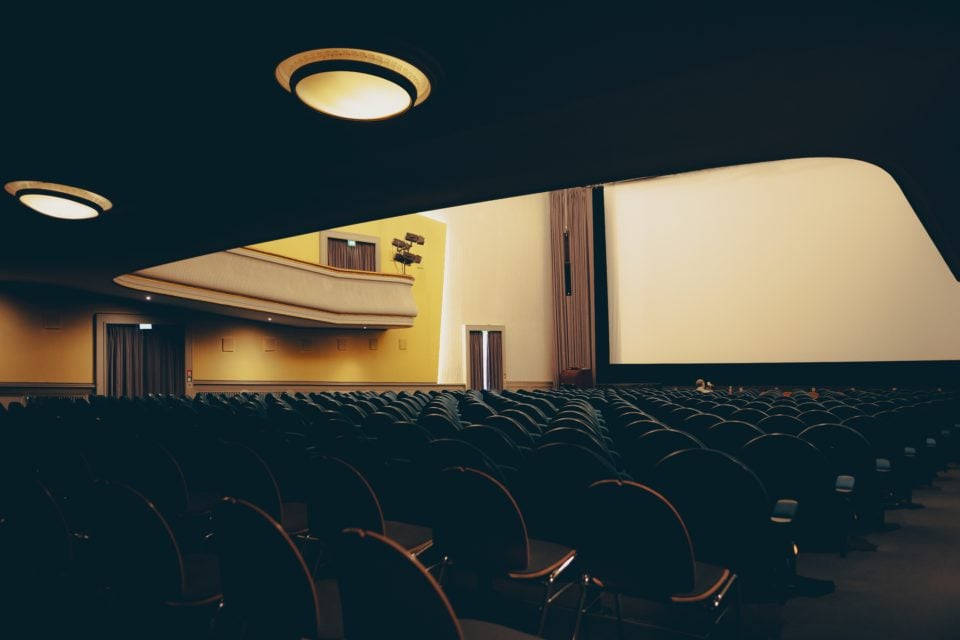
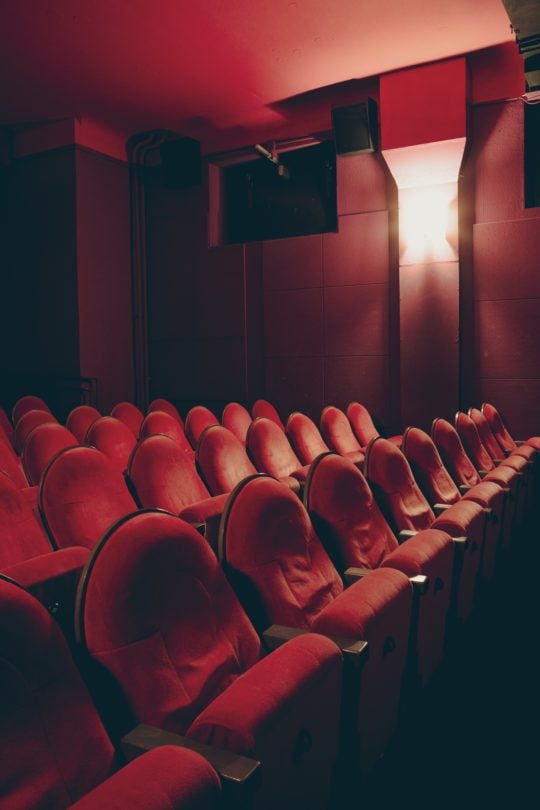
Stepping into Babylon is like entering Berlin’s cinematic cathedral. Built in the golden age of silent film, its grand screen and plush red chairs still whisper echoes of the Weimar era. But Babylon isn’t stuck in the past, it embraces the avant-garde with equal passion. I remember catching Metropolis here with a live orchestra. It wasn’t a screening, it was a resurrection. Add to that the regular film fests, cult classics, and art-house premieres, and you get a Kino that feels alive, connecting history with the very much now. Beyond its regular film fests, cult classics, and art-house premieres, Babylon also offers free screenings on a Friday. It’s worth checking their website for the latest lineup. This is a Kino that feels alive, connecting history with the very much now.
Lichtblick Kino (Prenzlauer Berg)
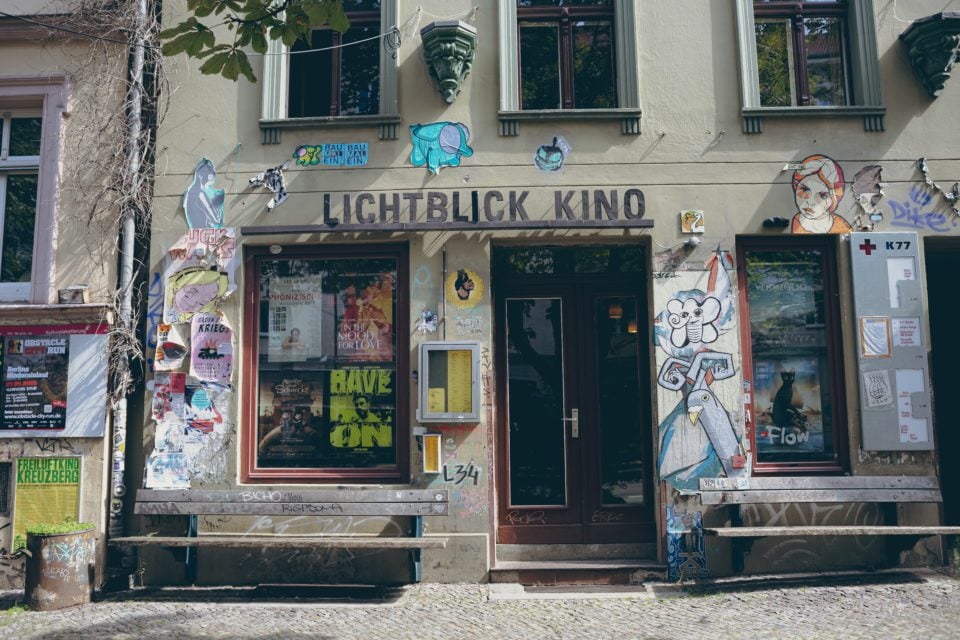
With just 32 seats, Lichtblick is Berlin’s smallest powerhouse. Run as a co-operative, it feels less like a cinema and more like a friend’s living room, a friend with excellent taste. You buy your ticket, maybe a Club Mate or a Berliner Pils, and then you’re in: up close with films that rarely make it past the mainstream radar. The programming here is incredibly curated, with powerful documentaries you’ll be thinking about for weeks. Intimate, unexpected, and politically sharp, Lichtblick is for those who like their cinema deeply personal.
Sputnik Kino (Neukölln)
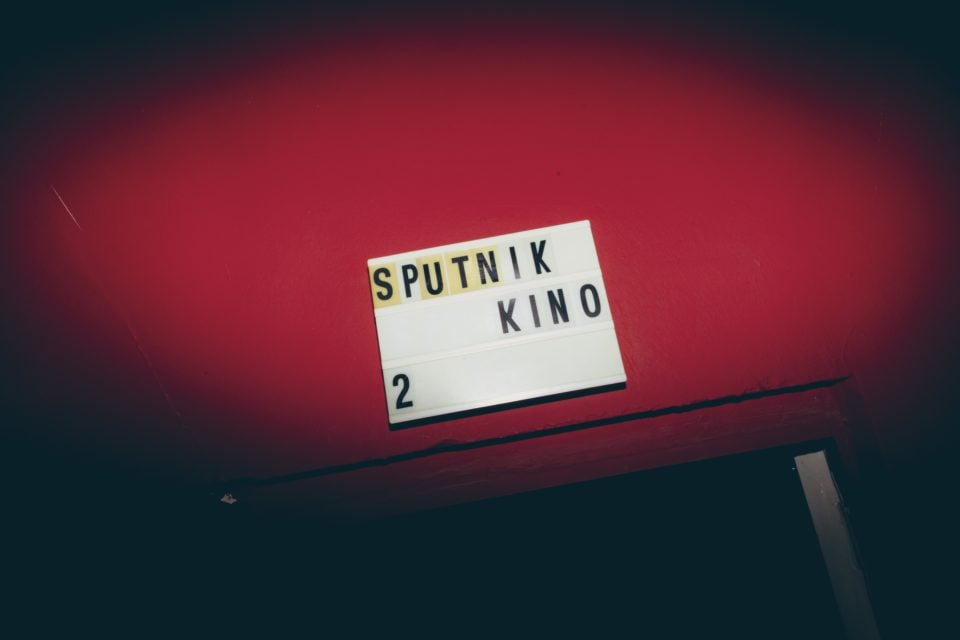
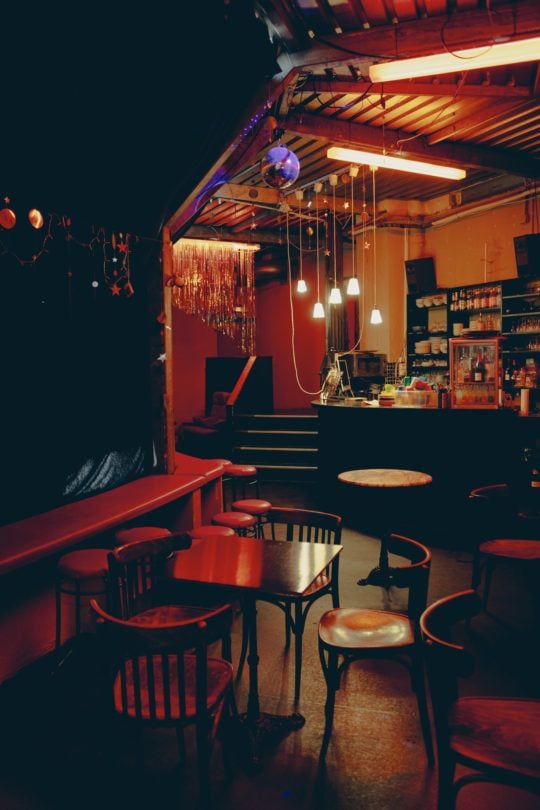
Sputnik is hidden away on the fifth floor of a courtyard building near Hasenheide, and just finding it feels like you’re in on a secret. A few flights up (or a creaky lift ride), and suddenly you’re in this cosy, bohemian pocket of Neukölln. The bar alone is worth the visit, with low light, vintage furniture, and a view over the rooftops. But the real magic is in the screens: small, lovingly curated, and full of international gems. I once ducked in during a rainstorm and ended up discovering a quiet Japanese film that brought me back to life.
Moviemento (Kreuzberg)
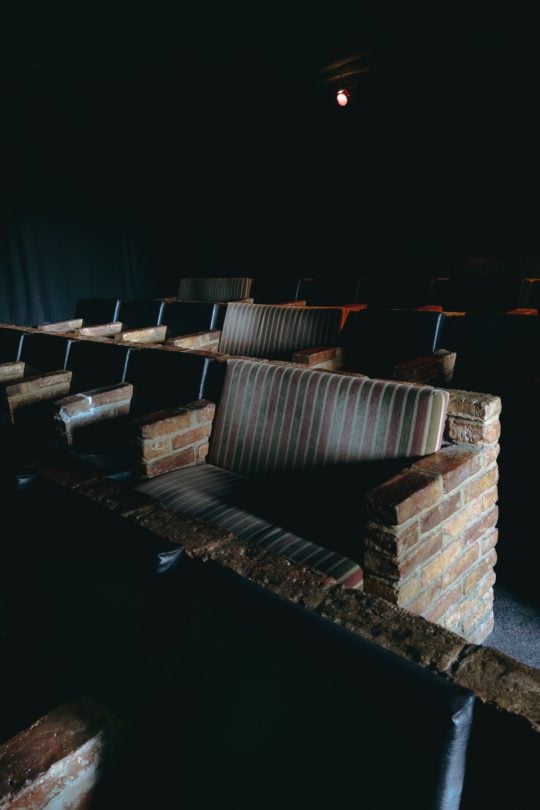
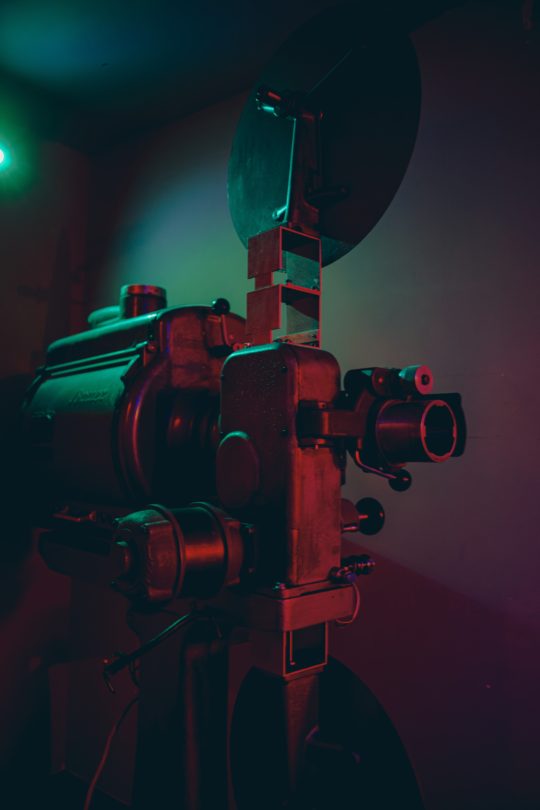
They say Moviemento is Germany’s oldest cinema, and when you sit in its creaky seats, you believe it, in the best way. Founded in 1907, this place oozes history. It’s seen empires fall, borders shift, and scenes rise. You can still spot remnants of its past: the original Kasse (box office) on the ground floor is a gem not to be missed, and their old film projector sits on proud display like a relic from cinema’s industrial age. But don’t mistake it for a museum. Moviemento is as punk as Kreuzberg itself. I’ve seen everything here from queer horror nights to Turkish indie dramas, sometimes all in one week. It’s got that “only in Berlin” vibe: raw, inclusive, and wonderfully unpredictable.
Tilsiter Lichtspiele (Friedrichshain)
Tilsiter is the cinema equivalent of a warm, slightly anarchic pub, and in fact, it’s partly that. The bar and Kino flow into one another in a blur of cheap beer, red velvet, and revolutionary posters. One of Berlin’s oldest art-house spots, it still radiates that East Berlin energy: scrappy, stubborn, and culture-first. You’ll find everything from Soviet-era classics to gritty new German indies on the bill, often with English subtitles (though best to check the listing).
It’s the kind of place where the bartender might also be the projectionist, an echo of Germany’s Kientopp tradition, where cinema and bar blend into one democratic, DIY space. And here, a film isn’t just shown, it’s debated, over shots of Kräuterlikör.
Final Frame
In a world where mainstream cinemas often reduce film to spectacle and profit, Berlin’s independent Kinos remain among the final bastions treating cinema as art, and conversation. These theatres don’t just screen films, they platform overlooked voices, challenge dominant narratives, and open windows into lives far from our own. In doing so, they foster empathy, curiosity, and dialogue.
Berlin is home to 56 art-house and independent cinemas, part of a network that supports over 40 smaller festivals annually, from queer archives to migrant storytelling, each frequently hosted in the Kinos we’ve explored. While the Berlinale dazzles global audiences with around 400 films annually, it’s these local venues that keep the flame of independent cinema alive year-round.
More than venues, these Kinos are communal hearths, places where strangers become audiences, audiences become communities, and cinema becomes a shared conversation. Supporting them isn’t just about watching different films, it’s about choosing to see the world through new eyes.
Berlin is a city built on layers, and nowhere is that clearer than in its indie film scene. Each Kino tells a story of resistance, revival, and cultural solidarity. They aren’t competitors; they form a resilient network, backing each other and Berlin-based creatives when cultural funding tightens. So skip the multiplex, skip the ads, go local. Go late. And let the reel spin in places where cinema is still raw, genuine, and shared.