

THE FIGHT FOR BERLIN’ NIGHTLIFE — CLUBCOMMISSION’S EMIKO GEJIC
Berlin’s reputation as a global capital of nightlife often rests on its myth: the endless queues, the legendary dance floors, the freedom to lose, and equally, to find yourself. But behind that myth are real-life infrastructures: fragile, contested, and deeply human. What holds it all together is not just sound systems and strobes, but people. Organisers, artists, dancers, caretakers, those who insist, again and again, that these spaces are worth fighting for.
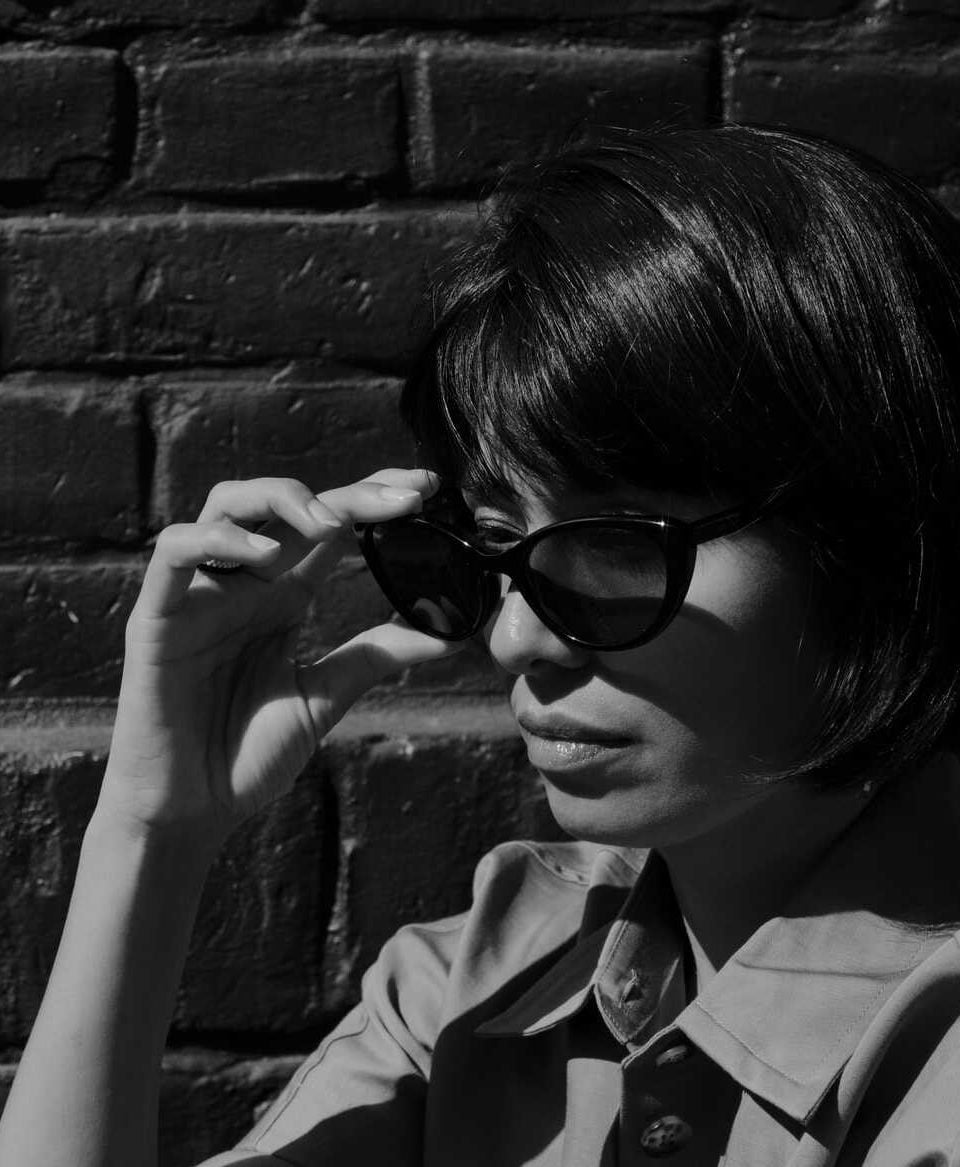
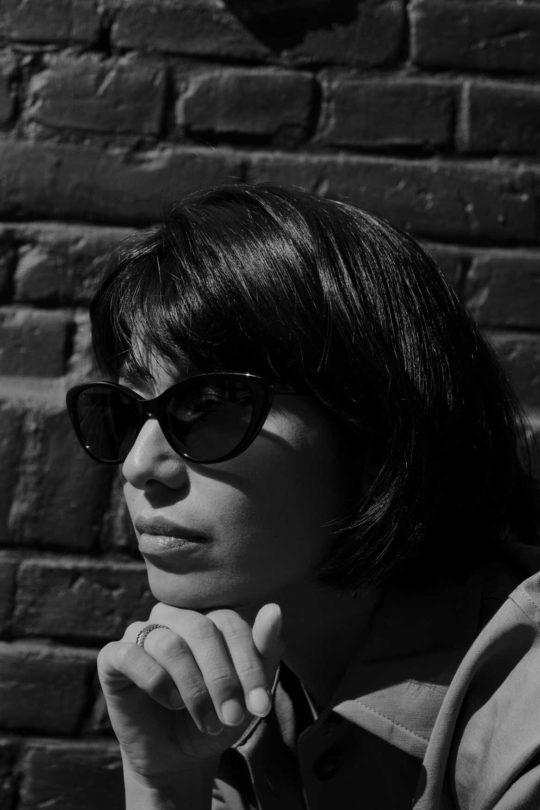
One of those people is Emiko Gejic, a Berlin-born dancer, organiser, and cultural activist who works with Clubcommission, the association representing more than 350 of the city’s clubs, collectives, and venues. Their work spans the intimate and the institutional, the dance floor and the policy meeting, the party and the protest.
“I was born on the 9th of November 1989. That’s basically the age of the reunited Berlin” Emiko says. She’s not exaggerating. The Berlin Wall fell the very night Emiko was born. As the city reassembled itself in the early 1990s, so did its cultural life: squats, raves, hybrid art spaces, and DIY collectives flourished in the cracks of a reunified city. That legacy isn’t just a memory; it lives in Emiko’s body, in her politics, and in the work she does today, bridging policy and community, visibility and care. Emiko’s first party experiences were in squats and makeshift spaces.
“Fifteen, twenty years ago, the big difference was space,” she recalls. “Everyone was involved in organising something, because everything was affordable, accessible, and available.” Sound systems popped up on street corners; empty warehouses became weekend-long raves. The city seemed porous, malleable.
That urgency brought Emiko to Clubcommission, which acts as a kind of connective tissue between Berlin’s grassroots cultural scene and its formal institutions. Founded in 2001, it operates as a hybrid: part lobby group, part cultural network, part support system. The team tracks everything from economic impact to mental health needs, from real estate battles to dance floor dynamics.
“We live in a capitalist logic of urban politics,” Emiko says. “Politicians need numbers. They need to know how many venues exist, how many people are employed, and what the yearly turnover is. That’s one way within politics to prove the value of those spaces.” But she asks, “Value for whom?”
As Berlin’s global image has become increasingly commodified, techno tours, hotel packages, lifestyle campaigns, the tension between culture as commodity and culture as community has intensified. Clubs are both celebrated and displaced. They are used to sell Berlin abroad, while being priced out at home.
The threats to club culture in Berlin are not abstract. Rising rents, evictions, and redevelopment have already shut down institutions like Mensch Meier, Watergate, Rummels Bucht and Griessmuehle. Others, like Renate, Else or Schwuz, are constantly under pressure. While the planned A100 autobahn extension previously loomed over Friedrichshain’s clubs, recent news suggests it has been delayed beyond the next decade. Instead, it’s economic challenges, especially unaffordable real estate, that remain the number one reason behind club closures.
Despite these challenges, Clubcommission remains a powerful advocate. It’s not just lobbying, it’s on-the-ground support. The organisation consults directly with club owners, offering workshops on everything from safer spaces to harm reduction and anti-discrimination protocols. They help venues navigate local politics, support collectives in crisis, and amplify voices in public and press. “Apart from lobbying and consulting, we do a lot of community support,” Emiko says. One key initiative is expanding the use of awareness teams, trained individuals present in clubs to de-escalate conflict, and foster safer environments. These efforts are part of a broader movement to reframe nightlife as a site not just of escape, but of responsibility and care. “Dancefloors also reflect the reality of society. We’ll never have fully safe spaces,” she says. “But we can have safer ones.”
Many clubs now offer drug-checking services, harm reduction materials, and staff workshops on consent and discrimination. These shifts are subtle but seismic: nightlife becomes not just a place to party, but a place to learn how to live together. There’s also a generational transformation underway. Emiko highlights the emergence of community-focused, sober, and activist parties led by younger collectives. Unlike earlier decades of escapist hedonism, today’s events often center around care, and purpose. There’s less “getting wasted,” more film screenings, talks, and queer-led spaces rooted in intersectionality. And importantly, these new scenes are more international, diverse, and experimental in sound.
“The scene used to be very white and cis-male dominated; in parts, it still is. But that’s changing with more queer or PoC-collectives and organisers, who are shaping the nightlife, ” Emiko says.
That shift in values is reflected in the kinds of initiatives Clubcommission built. One of their newest initiatives in the face of the ongoing struggles is Tag der Clubkultur (Day of Club Culture), a city-funded initiative led by Clubcommission. Each year, a curated selection of clubs, collectives, and venues are awarded for their outstanding cultural contributions, with cash prizes, media coverage, and a full week of city-wide events from October 3–10. “It’s a bit like our Oscars,” Emiko says with a grin. “But for the underground.”
The event recognises not just nightlife’s economic impact, but its emotional and communal value. It’s one of the few moments where Berlin officially acknowledges club culture as culture, not just entertainment. In a city that so often sees culture as an afterthought, Tag der Clubkultur is a rare moment of visibility, and validation. Despite the burnout, the bureaucracy, and the heartbreak of watching beloved spaces disappear, Emiko stays inspired. Not through optimism, but through experience.
“When I actually go out to community events and see people dancing, connecting, expressing themselves, that reminds me why we do this,” she says. “Moments of human connection, solidarity, and impact—that’s what keeps me going.”
The fight for Berlin’s nightlife is not just about basslines and strobe lights. It’s about building a city that leaves space for joy, for risk, for vulnerability, for freedom.
“What we’re fighting for isn’t just clubs,” she says. “We’re fighting for the soul of the city.”